
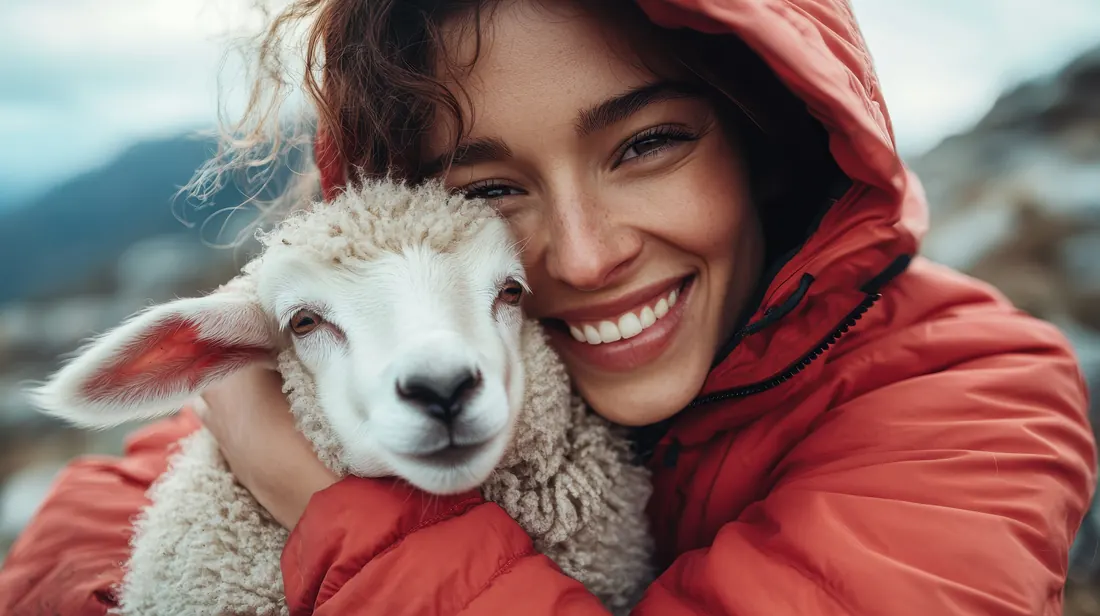
A neural interface for the ones who cannot speak.
For as long as we have loved animals, we have only guessed at them — from the outside. Berolink reads them from inside instead — beginning at the body’s own signal, and reaching in time the brain itself.
For thousands of years, we have only guessed.
Everything we know about an animal is inferred from the outside — a posture, a sound, an expression. Lossy, slow, often wrong. The mind itself has stayed a black box. A dog in pain looks like a disobedient dog; an anxious dog looks like an old one. We cannot tell the difference — and the animal pays for it.
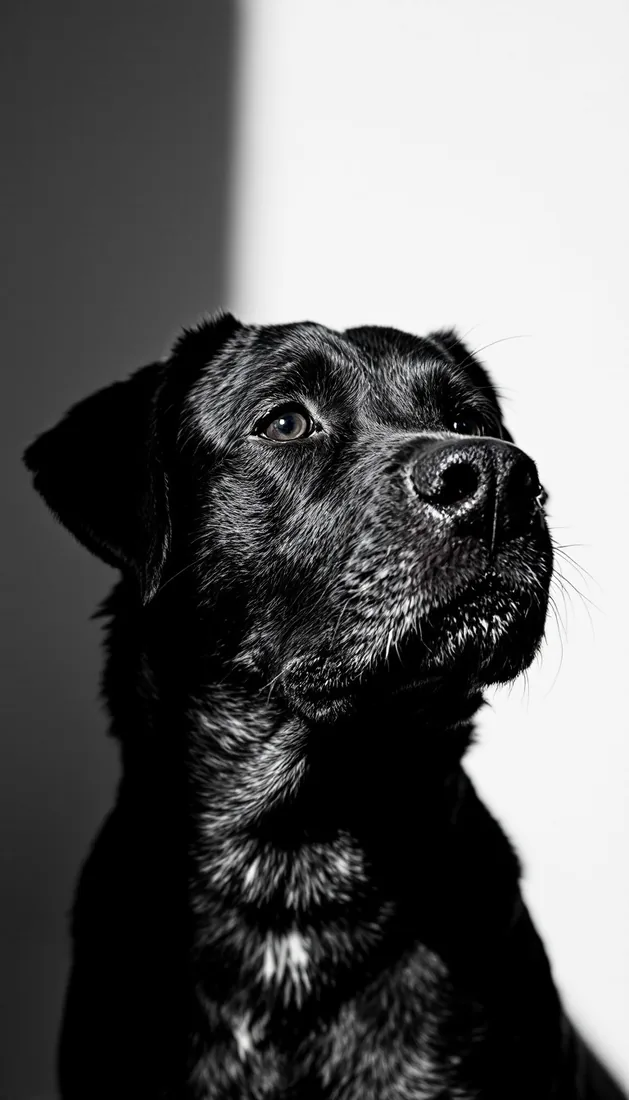
1 in 3 deaths in dogs under three is not
disease — these dogs are euthanised,
put down for a behaviour no one could read.
Not bad dogs. Unread ones.
Boyd et al., Animal Welfare (2018) · VetCompass, England.
— and billions more who feel, and cannot say so.
Cross‑species understanding will be one of the great leaps in our history — a technology that lets billions of animals live calmer, better‑understood lives, alongside us.
Everyone reads the output.
We read the source.
From guessing to measuring.
Cameras and wearables read the mind’s output — behaviour, voice, video. A downstream shadow of the state, never the state itself. Berolink reads the source: the nervous system, where experience happens.
The signal beneath the silence —Reading the living mind.
Our first step is to notice the pain they cannot voice — not guessed from the outside, but read from inside the animal itself. We begin at the gentlest reach of all: the implant a dog already carries, placed by the same needle, listening to what the body does when something is wrong. As understanding deepens, the interface deepens with it — until it reaches the brain itself.
Toward cross‑species communication.
Reading is only the beginning. Between animal and human stands Berolink — turning what each cannot say into what the other can feel. A two-way vocabulary: the animal read at the source, and a few stable ideas — safe, coming back, together — offered back as a signal it can recognise.
The animal‑neurotechnology house of Bero&Co.
We don’t start from the ground floor. Our group already holds behavioural data that exists nowhere else — and a rare capability in silicon, sensors and AI.